
How to Meet New People in Portugal: Find Your Community
 Bo Irik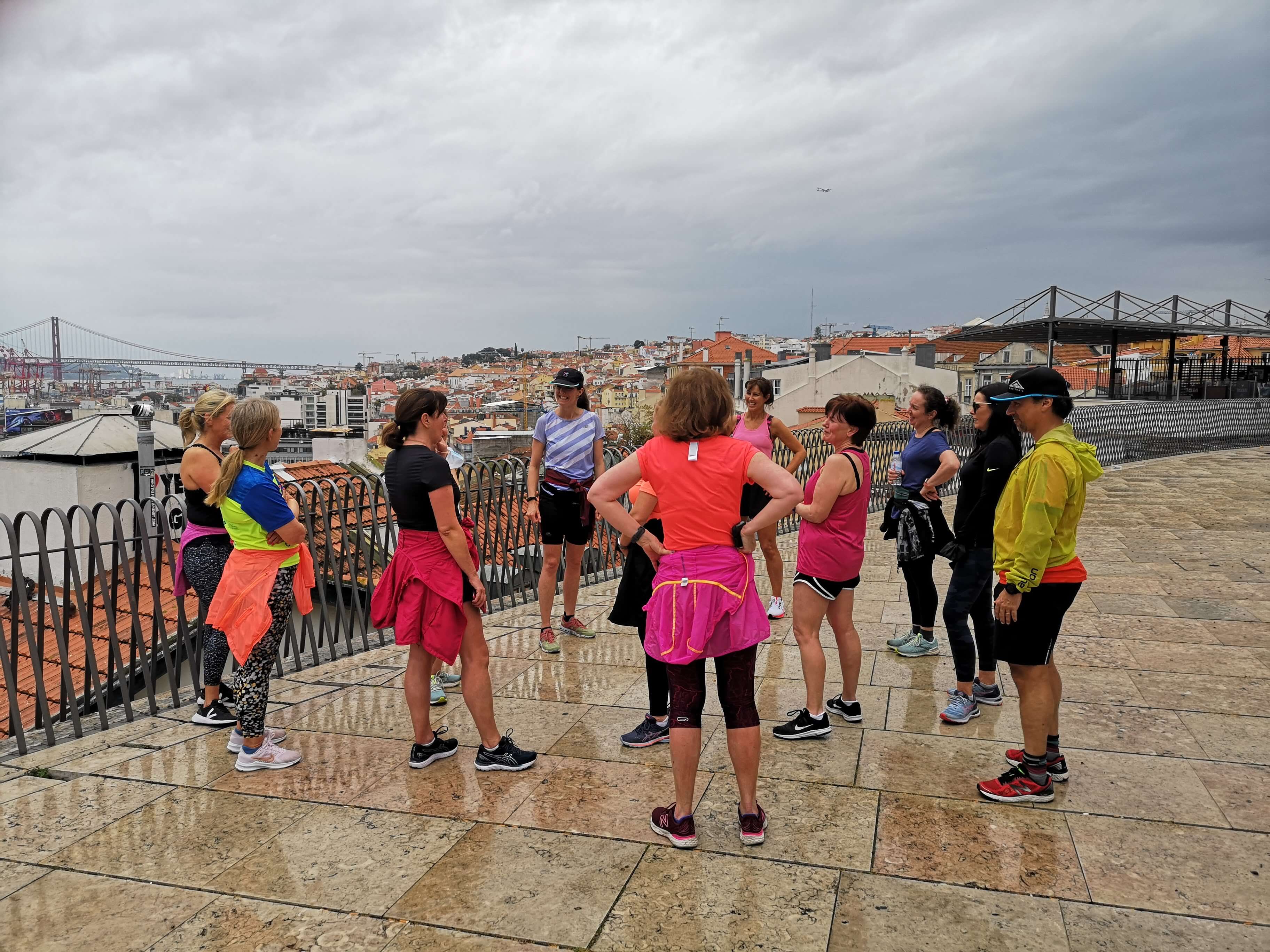
We moved from Lisbon to “Margem Sul”, the South bench of the Tagus, 4 years ago. In search of a more tranquil lifestyle and more connection with nature, we left behind a very active social life with running clubs, nightlife and groups of friends from before university! Although we’re just half an hour away from Lisbon, we were interested in meeting new people from this hood. Making friends in your thirties or forties can be quite awkward. Where were we going to meet people? How do we start a conversation?
We believe that finding your own community transforms a destination into a place that truly feels like home. A community provides a support system, weekend plans, and friends for all occasions. Whether you are settling into the busy streets of Lisbon, exploring the sunny Algarve, or retreating to a quiet village in Central Portugal, building a social circle is not as hard as it may seem. You simply need to know where to look, what to expect, and how to approach the process with an open mind.
In this blog post, we share a bit of our experience on how to meet new people in Portugal. It includes our personal experience, as a Dutch woman and a Portuguese man on the South side of the Tagus river.
Managing Expectations: The Reality of Making Friends in Portugal
Before looking at exactly where to meet people, it helps to set realistic expectations. A common misconception among new arrivals is that you will instantly make friends the moment you unpack your bags. In reality, making deep, authentic connections takes time and effort. You will likely have many initial conversations that do not lead to lifelong friendships. This is a completely normal part of the process, so do not let it discourage you if your first few weeks feel a bit lonely.
Be patient with yourself and the people you meet. Focus on showing up consistently to places and activities you genuinely enjoy. When you engage in hobbies you care about, you naturally cross paths with like-minded individuals without having to force a connection. In our opinion, and having lived in Lisbon most part of our lives, the secret is consistency. Becoming a "regular" somewhere is the most organic way to transition from a stranger to a familiar face, and maybe later, a trusted friend. Personally, we made new friends in our thirties, with our running club. We used to run twice a week with a fixed group and some of them ended up great friends. Meeting new people like this is very interesting because you can meet people with similar interests but very different backgrounds and stories.
Practical Ways to Build Your Social Circle in Portugal
If you are ready to put yourself out there, here are some of the most effective and genuine ways to meet new people in Portugal.
Join Wellness, Yoga, and Mindfulness Communities
Portugal has quietly become one of Europe's premier hubs for wellness. Among thousands of people who value mindfulness, health, and conscious living, it’s not that hard to find a supportive, grounded community. Look for local yoga studios, breathwork classes, or meditation groups in your specific area.
By attending a regular class, you will see the same faces every week, lowering the barrier to start a conversation before or after a session. The next step would be to set up a coffee after class. I did this when I started practicing yoga in Montijo. My friend Patricia and I met in class, went to grab coffee, then dinner, then did some sewing projects together and now are happy friends.
If you want to accelerate the process, consider booking a weekend getaway or retreat in Portugal. You can easily find like-minded friends by checking out our shared experiences that often leads to lasting bonds, as everyone is there to connect and grow.
Attend Language Exchanges
If you’re not Portuguese, one of the best ways to meet locals is attending language exchanges. These are usually informal, relaxed meetups held in bars, cafés, or community centers across major cities. One of the most common formats of a language exchange is that you spend half the time speaking English (or another language you are fluent in) and the other half practicing Portuguese. It takes the pressure off socializing because everyone is there for the exact same reason.
Even if you are a total beginner and only know how to say “olá” (hello) and “obrigada” (thank you), locals always appreciate the effort. It is a relaxed environment for beginners to practice while meeting patient, friendly and curious people.
Explore Hiking, Surfing, and Nature Groups
If you prefer fresh air over crowded rooms, joining an outdoor group is a great option. Portugal’s diverse landscapes, from the coastal cliffs of the Rota Vicentina to the lush trails of Sintra and the Arrábida Natural Park, are very inviting for nature lovers.
Look on platforms like Meetup or local Facebook community pages for hiking or trail running chapters. Walking alongside someone for a few hours is one of the easiest ways to have a meaningful conversation. It completely removes the awkwardness of forced small talk across a dinner table.
Surfing might also be a nice way to meet new people as it can already be considered to be part of Portuguese culture, especially in coastal towns like Ericeira, Peniche, and Sagres. Joining a group surf lesson or a local surf club is a fun way to meet both locals and travelers.
Try Co-working Spaces and Creative Hubs
If you work remotely, like us, sitting alone in your home can quickly feel isolating. Co-working spaces have popped up all over Portugal, and they are not just for typing at a desk in silence. They frequently host networking breakfasts, skill-sharing workshops, and Friday evening social hours. Signing up for a hot desk just a few days a week gives you instant access to a community of freelancers and entrepreneurs. Francisco is part of a co-working community in Lisbon, Kube, and he really likes the vibe and people he met there.
If a formal co-working space is out of your budget, look for creative hubs or community workshops. Pottery classes, natural dyeing workshops, and creative writing groups are highly popular in cities like Porto, Lisbon, and Lagos.
Volunteer for Local Causes
Volunteering connects you with people who share your core values. It shifts the focus away from traditional networking and channels your energy into doing something positive for the local area. There are many different opportunities across the country, regardless of your skill set. You can help out at animal shelters, local food banks like Banco Alimentar, or neighborhood community gardens. Organizations are almost always looking for reliable people who can commit a few hours a week.
If you are passionate about the environment, look for beach cleanup initiatives along the coast.
Use Social Apps and Online Groups
While face-to-face interactions are the goal, technology is often the easiest way to start. Facebook groups are very much used in Portugal for organizing community events and asking for local advice. Search for groups related to your specific interests and region, such as "Lisbon Conscious Community" or "Algarve Hikers." Introduce yourself with a short post explaining what you enjoy doing, and ask if anyone wants to grab a coffee or go for a walk.
Apps like Bumble and Meetup are also highly active. Meetup is particularly great for finding structured events, ranging from professional networking dinners to casual weekend sketching groups.
Local Insights: Understanding Portuguese Social Culture
Meeting other international travelers is fun, but getting to know the locals adds a much richer layer to your stay in Portugal. Here are a few cultural nuances to keep in mind when trying to make local friends.
The Café Culture
In Portugal, the local café is an extension of the living room. People do not just go to cafés to grab a quick coffee in a paper cup; they go to socialize, read the news, and catch up with their neighbors.
Find a local pastelaria (pastry shop) or café near your home and become a regular. Order your morning bica (espresso) from the same place every day. Over time, the staff and the older regulars will recognize you, leading to warm, daily interactions that make you feel part of your neighborhood.
I met my friend Raquel like this. I used to see her at the same café regularly, and she had a kid the same age as mine. One day, I suggested that our kids could play together and we ended up great friends!
The Slow Pace of Life
Portuguese people are considered welcoming, polite, and helpful to newcomers. However, breaking into a close-knit, local friend group can take a bit of time. Most Portuguese people have had the exact same friends since childhood, and their social calendars revolve around their extended families.
If you show genuine interest in their culture, their regional food, and their language, they will show interest in yours. Once you are invited into a Portuguese social circle, you are generally considered a friend for life.
Long Lunches and Dinner Invitations
Food is the ultimate love language in Portugal. If a Portuguese person invites you to lunch or dinner, be prepared for the meal to last several hours. It is very common for weekend lunches to stretch late into the afternoon, complete with multiple courses, wine, and coffee. This dedicated time around the table is where the best conversations happen and true friendships are formed.
We do this :) Among our friends, we’re the ones with a farm house with outdoor area and BBQ, so family and friend lunches are usually at ours. We love to mix friends since childhood with friends we made on this side of the river. It’s a very enriching experience for all.
The Two-Kiss Greeting
When meeting a Portuguese person in a social setting, the standard greeting between women, and between men and women, is a kiss on each cheek (dois beijinhos), starting with the right cheek. Men greeting men typically offer a firm handshake or a warm hug if they are already friends.
Adopting this local greeting shows respect for the culture and immediately breaks the physical ice. It sets a warm, familiar tone for the rest of your interaction.
Being Dutch, I initially thought the “dois beijinhos” were quite invasive, but now, I’m very much used to it :)
Why Portugal is Great for Finding Community
There is a very clear reason why so many people find it easy to build a community in Portugal compared to other European destinations. First, the mild climate plays a massive role in daily life as people naturally spend a lot of time outside.
Public parks, beaches, and outdoor “esplanadas” are natural gathering places. This outdoor presence makes the country feel vibrant and socially active year-round. It is much easier to strike up a conversation with a stranger when everyone is relaxing in the sun.
Second, the culture is inherently laid-back and relationship-focused. There is far less emphasis on the constant hustle found in major North American or Northern European cities. People prioritize their free time, their families, and their social meals over working late.
This slower pace of life leaves much more room for spontaneous coffees and weekend day trips with new acquaintances. Finally, the existing community of expats, remote workers, and slow travelers is incredibly diverse, meaning you are almost guaranteed to find a specific subculture that matches your personal interests.
Final Thoughts
Figuring out how to meet new people in Portugal is the very first step toward building a beautiful, balanced life here. We understand that it requires a bit of courage to walk into a room full of strangers or attend your first language exchange. However, the reward is a rich, supportive community that will make your time in the country truly unforgettable.
Say yes to unexpected invitations, explore hobbies you have always wanted to try, and remember to say "Bom dia" at your neighbors. Your community is out there waiting for you to find them.
If you are looking for more practical advice on mindful travel and building a balanced life here, feel free to explore our other resources at Conscious Portugal. We are always sharing new, authentic ways to help you connect with the country, the local culture, and yourself.
Frequently Asked Questions
Is it hard to make friends in Portugal if I do not speak Portuguese?
Not at all. In major hubs like Lisbon, Porto, Ericeira, and the Algarve, English is widely spoken. You will easily find an international community to connect with. However, we think that learning basic Portuguese shows respect and helps forming deep relationships with locals outside of the major cities.
Where do international travelers and expats usually hang out?
The international crowd tends to gather in co-working spaces, specialty coffee shops, surf clubs, and at organized wellness events. You can easily find specific venues by searching local community groups online before you arrive. Facebook and Meetup are great places to start your search.
Are Portuguese people open to making foreign friends?
Yes, Portuguese people are generally very hospitable and friendly toward foreigners. Because they often have deep-rooted social circles, the easiest way to connect with them is through shared, recurring hobbies like sports, ceramics classes, or language exchanges.
How can introverts meet new people here without feeling overwhelmed?
If large networking events feel too intense, focus on structured, small-group activities. Signing up for a multi-week pottery class, a guided meditation session, or a small book club offers excellent, low-pressure ways to connect with others. You can also look for silent walking groups or small volunteer initiatives.